

Choosing a Reserve Study Firm
What a reserve study should include and the questions to ask before hiring the firm that will prepare yours.
Official laws, outside guides and tools we point boards to, organised by state. Pick your state to see what applies to you.
What a reserve study should include and the questions to ask before hiring the firm that will prepare yours.

Why a reserve study is the board's long-range plan for roofs, paving and other big components, and what underfunding forces on owners later.

The Pennsylvania statute for condominiums, found in Title 68, Part II, Subpart B (Chapters 31–34): creation and termination, management of the condominium and protection of purchasers.

The Pennsylvania statute for planned communities, found in Title 68, Part II, Subpart D (Chapters 51–54): creation and termination, management of the association and protection of purchasers.

The Ohio Revised Code chapter on planned communities: the owners association and its board, meetings, amendments to the declaration or bylaws, assessments, liens and access to records.
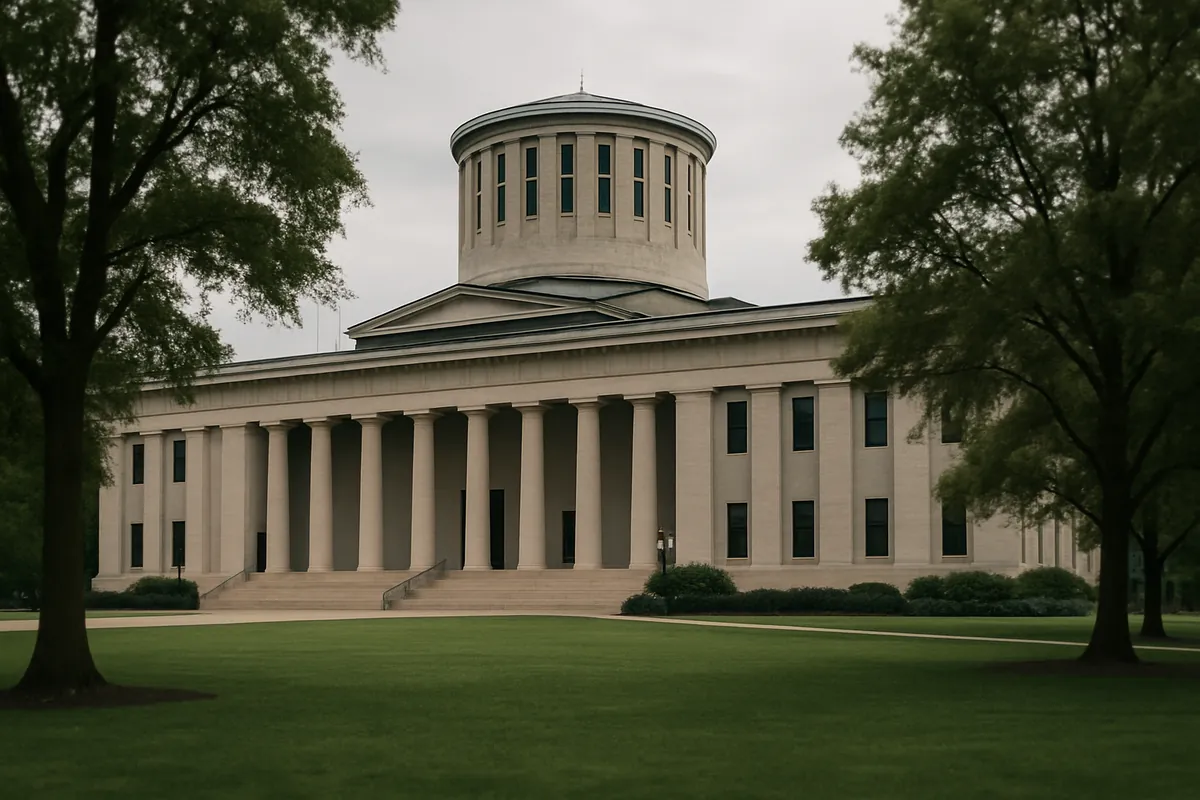
The Ohio Revised Code chapter on condominium property: declarations, common elements and expenses, the unit owners association and its board, records, insurance and liens for common expenses.

The North Carolina statute that governs condominiums: how they are created, altered and terminated, how the unit owners' association is managed, and the protections it gives purchasers.

The North Carolina statute for planned communities and their owners' associations: how they are created and amended, and how the association and its board are managed.

Habits that keep board service productive: routing owner questions outside meetings, setting a rhythm with the manager and keeping discussions factual.

When a board should meet informally to work through budgets, contract bids or long-range plans, and how to keep those sessions transparent to owners.

The difference between board, annual and special meetings, when a closed session is appropriate, and the basics of notice, quorum and minutes.

A collection of CAI articles on preparing an annual budget, funding day-to-day operations and investing reserve money.
These links are for general information and are not legal advice. Statutes change; confirm the current text with the official source and your association’s attorney.