
How to Build a Healthy HOA Reserve Fund
A well-funded reserve is the foundation of a financially stable community. Learn how to assess your current funding level and create a sustainable reserve plan.
Why Reserves Matter
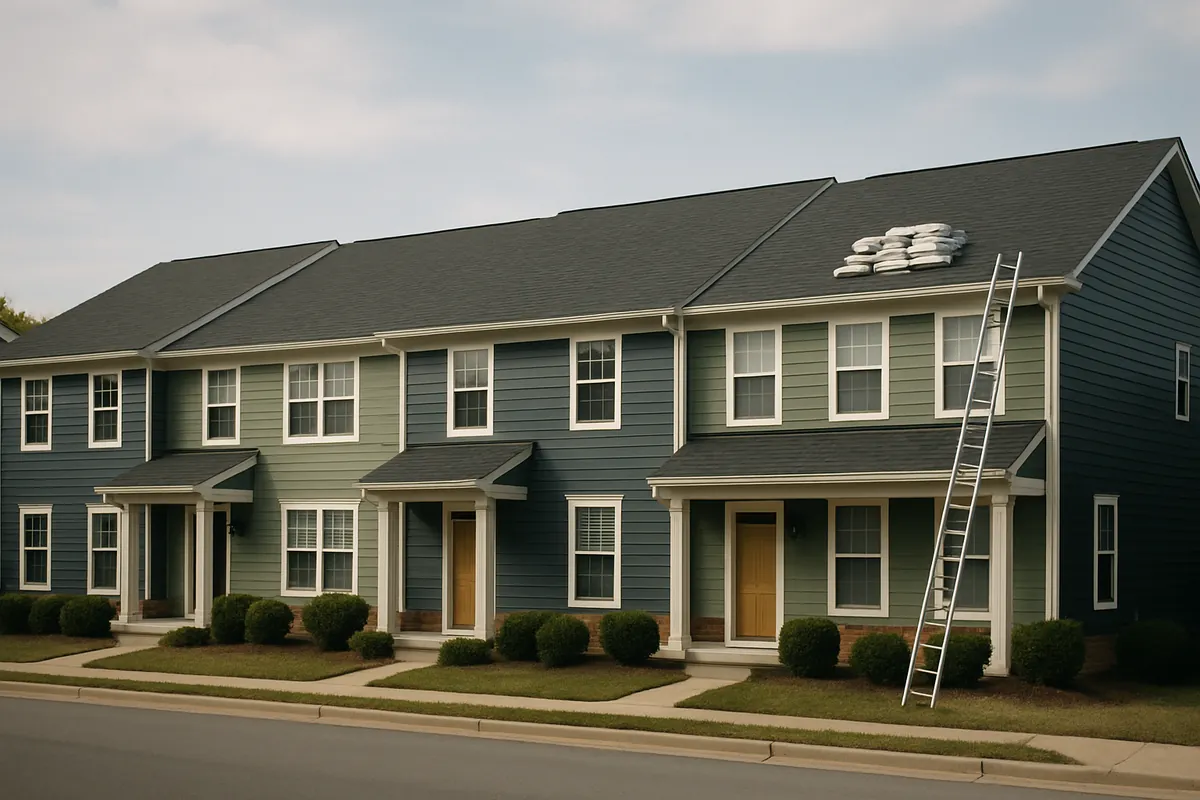
A reserve fund is your community's financial safety net — the money set aside to repair or replace major common elements like roofs, pools, parking lots, and elevators. Without adequate reserves, boards are forced into one of two bad options: a large special assessment that angers homeowners, or deferred maintenance that reduces property values.
How to Assess Your Current Funding Level
The first step is a reserve study conducted by a licensed professional. This study inventories every major component, estimates its remaining useful life and replacement cost, and calculates how much your community needs to be saving each month. Most states now require associations to perform a reserve study on a regular basis — typically every three to five years.
Calculating the Right Contribution Rate
There are two common funding methods: the threshold method (keeping reserves above a certain percentage of fully funded) and the baseline method (ensuring reserves never go negative). Fully funded reserves — where assets match the theoretical depreciation of your components — is the gold standard and provides the greatest protection against special assessments.
Best Practices for Reserve Fund Management
Keep reserve funds in dedicated, FDIC-insured accounts separate from your operating account. Consider laddering CDs or using a money market account to earn interest without sacrificing liquidity. Review your reserve study results annually alongside your budget process, and adjust contributions when new capital projects are completed or costs change significantly.